

Best heating for home
By Amy Grisak | Monday, February 4th, 2013 | From: Home and Garden
When a bitter cold forecast comes to fruition, homeowners are keenly aware of what it takes to keep the house warm. There is no boilerplate answer to choosing the best heating source. Factors such as climate, lifestyle, and budget all play a part in deciding the most practical system.
If you have a woodlot and live by the adage that burning wood warms you twice (once when you cut and stack and again when you burn it), then a woodstove is ideal. On the other hand, if you’re on the prairie with few trees, a pellet stove may make more sense. You have to weigh the variables.
Fossil fuels have a polluting reputation of spewing unburned particulates into the air. In some parts of the country, there are stringent regulations on the type of stoves you can use, as well as when you can burn, which is problematic if you depend on it as a primary heat source.
Fortunately, many traditional fuel options, such as wood, coal and oil, have been greatly improved with higher efficiency rates and advancements in air quality issues. It’s worth taking a look at some you might have dismissed. Here is how several of the more popular options stack up …
Wood Heat
Installation Costs: Expect to pay between $1, 500—$5, 000 for a new stove, depending on the style and chimney requirements (whether you have an existing chimney or have to install a new one). Choosing an EPA-certified woodstove adds a few hundred dollars to the final bill, but it pays for itself in a short amount of time since it burns the wood more thoroughly.
Fuel Costs: Wood can be as cheap as the fuel and maintenance for your chainsaw if you have a cost-free source. If you’re buying it, expect to spend $145—$225 per cord (a stack that is 4-ft. high, 4-ft. wide and 8-ft long) depending on your location and the type of wood. Most people use 4—6 cords per season.
Fuel Availability: What to burn is a matter of what grows around you. In the eastern part of the country, hardwoods such as oak and maple are the best options because they burn hot and clean. Other regions have more pine and larch, and while they’re not ideal, they’ll work. Regardless of the species, be sure to clean the chimney regularly to minimize creosote buildup.
Cleanliness: One of the greatest drawbacks of wood is the mess. When you haul in wood you’re often bringing in bugs, as well as shedding a lot of bark and pieces. Cleaning the ash out of the bottom of the stove usually kicks up dust, as well.
Air Quality Issues: The EPA-certified stoves produce far less smoke than older models, and use a third less fuel. Less smoke means better burning.
Pellet Stoves
Installation Cost: New stoves cost $1, 700— $3, 500 installed. They can be vented through a wall and don’t need a high-tech chimney. Pellet stoves rank high in efficiency because they burn a small amount of fuel as needed. This mini-inferno warms the air in the heat exchangers before blowing it into the house.
Fuel Costs: Price varies considerably based on location, but estimates for 2014 are $250—$309 per ton. Most homeowners burn 3—5 tons per winter.
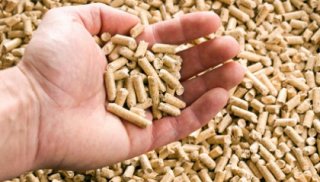
Fuel Availability: Pellets are made from recycled sawdust and resemble inch-long rabbit feed. Some even burn unprocessed corn and fruit pits, (cherry). They’re usually packaged in 40-pound bags, found at pellet stove dealers, as well as home improvement stores.
Cleanliness: A ton of pellets come on a 4 x 4 pallet, take up half the space of a cord of wood, and can be stored in the garage, basement or anywhere. Since there’s no dirty wood to haul inside, pellet stoves are much cleaner. Forty pounds of pellets produce only one cup of ash.
Air Quality Issues: Pellet stoves are one of the cleanest fuel burners with an efficiency rate of around 85% making them exempt from the EPA’s smoke emission requirements.
Heating Oil Furnace
Installation Cost: You can pay between $2, 500—$4, 000 for a mid-efficiency furnace and twice that amount for the high efficiency units.
Fuel Cost: Prices fluctuate according to many outside sources, include the value of the dollar on the world market, but full-service fuel delivery was roughly $3 per gallon in early 2014.
Fuel Availability: Popular in the Northeast, but it can be found in most regions. In very cold areas of the country, many homeowners mix a higher grade fuel, which is more expensive, with the standard #2 heating oil to reduce the chances of the oil gelling in the tank.
Cleanliness: Oil burners do produce soot, which is why it’s imperative to have it professionally cleaned and serviced each year. This involves vacuuming the soot out of the burner, changing filters and adjusting electrodes to ensure it’s operating at its best.
Air Quality Issues: According to the Energy Communications Council, heating oil burns nearly 95% cleaner than it did in 1970, and with new fuel blends, the industry is aiming for zero emissions. By July of 2012, all of New York must use a cleaner low sulphur fuel that will even further improve air quality and efficiency.
Propane Wall Furnaces
Installation Cost: Wall furnaces are an easy and relatively inexpensive way to add supplemental heat or warm up a cold spot in the house. They typically cost $1, 000— $2, 000 installed. They can be vented directly through the wall.
Fuel Costs: Liquid propane prices fluctuate throughout the year and are usually cheaper during the warm months. Estimate paying $2.75 per gallon.
Fuel Availability: Propane is available in most areas of the country, and is a viable fuel source for those who do not have natural gas close at hand. Homeowners install either a below ground or aboveground tank that is filled as needed.
Cleanliness: Propane wall furnaces are a reliable, low maintenance choice to take the chill off of a room or as a backup heat source. There’s no mess and very little fussing.
Air Quality Issues: Propane creates no particulates, although you want to keep the exhaust vent away from open windows or doors to prevent the noxious gases from flowing back into the home.
Natural Gas
Installation Cost: Like propane, you can install a wall furnace for $1, 000—$2, 000. The larger, self-standing units that heat the entire house will cost between $2, 000 and $3, 500, depending on the efficiency level. The best ones are 96% efficient; they cost more to install, but will make a dent in the monthly bills.
Fuel Costs: Costs are highly variable depending on your region. Transportation charges and taxes also play a significant part in determining your final bill. Costs per 100 cubic feet (ccf) vary between $.53 ccf—$.79 ccf in the Northeast, but the transportation costs could easily double the final payment amount.
Fuel Availability: Natural gas is a popular option in many parts of country, but its availability depends on local utility companies and whether the infrastructure is in place.
Cleanliness: Like propane, there is no smoke or mess involved with natural gas.
Air Quality Issues: Natural gas furnaces must be vented to the outside because of carbon monoxide issues, but there is no smoke or other particulates.
Anthracite Coal Burners
Installation Cost: A new stoker stove will cost $2, 000—$4, 000, but it usually pays for itself within a few seasons. The hand-stoked models are less expensive, but you have to do the fire tending yourself. Like a pellet stove, it requires electricity to operate the internal workings and the fan to circulate the warm air, but once loaded you don’t have to feed it for at least a day.
See also:
Share this article
Related Posts
Latest Posts


