

Home oil heating systems
 With conditions dipping to the solitary digits within the Northeast—and below 0° F in a lot of various other places—shivering property owners tend to be talking about the efficiency and value of heating a house, because of the discussion inevitably centering round the concern of which is way better, gasoline or oil?
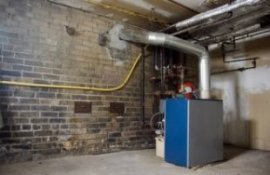
Many people swear by oil-heat. Other individuals are equally excited about propane. I've experience with both forms of furnaces: Our residence makes use of gas, while my in-laws have actually an oil furnace. For those who are considering a new furnace, here are some benefits and drawbacks about your choices.
First thing to check out while shopping for a furnace is the performance rating, generally called yearly gas Utilization performance (AFUE). The rating steps the efficiency of a machine’s burning, where an increased score signals a higher effectiveness.
 Most brand-new oil furnaces have AFUE ratings between 80% and 90percent, while their particular gasoline counterparts boast rankings between 89per cent and 98percent. Although gas furnaces are far more efficient than oil furnaces, that effectiveness comes at a price—gas products are generally listed 10percent to 25per cent higher than equivalent size oil furnace. New furnaces tend to be considerably more cost-effective than their particular alternatives of ten or more years back, some by as much as 30%.
• gas — $690 per home, 13.3per cent boost within the previous wintertime
• Heating oil — $2, 558 per family, 22.5per cent increase
• Propane (Midwest) — $1, 448 per household, 5.9% decrease
• Electricity — 4 per household, 7.3percent increase
 While oil costs are more volatile and susceptible to the vagaries of global supply and need, gas manufacturing is focused into the U.S. and Canada, acquiring a more steady offer. Maybe due to this distinction, about 50per cent of US domiciles tend to be heated with fuel these days, versus about 8percent of houses with oil heat.
The following is a look at a few of the benefits and drawbacks of each and every form of furnace:
Oil Furnaces
- Oil equipment provides more heat per BTU than many other home heating sources, but an on-site storage space container is necessary and oil should be delivered.
- Oil furnaces tend to be on a regular basis and easily serviced because of the delivery business (a site contract is required), but maintenance is much more considerable as a result of dirt and soot buildup—chimneys must certanly be cleansed and the oil filters changed usually.
- Oil furnaces cost less than gas furnaces, but performance is lower and fuel costs tend to be greater than with fuel systems.
Gasoline Furnaces
- propane furnaces have greater heating efficiency and their fuel prices less, but your house needs to be in an area where a fuel supply can be acquired.
- Furnaces need hardly any maintenance (no solution contract required), but fuel offers less temperature per BTU than oil.
- Furnaces are quieter and cleaner, however they cost a lot more than oil furnaces.
No matter which kind of heat supply you want, use a qualified and reputable HVAC contractor and get a number of quotes before you make any significant financial investment at home. There are frequently community and exclusive rebates or financing rewards open to property owners who upgrade their particular systems, so be sure to explore all of your options before you buy.
See also:
Share this article
Related Posts


Latest Posts


